The Foundation of a Butterfly Garden
A successful butterfly garden relies on two essential types of plants, though additional features can further enhance its ability to attract and support butterflies.
HOST PLANTS
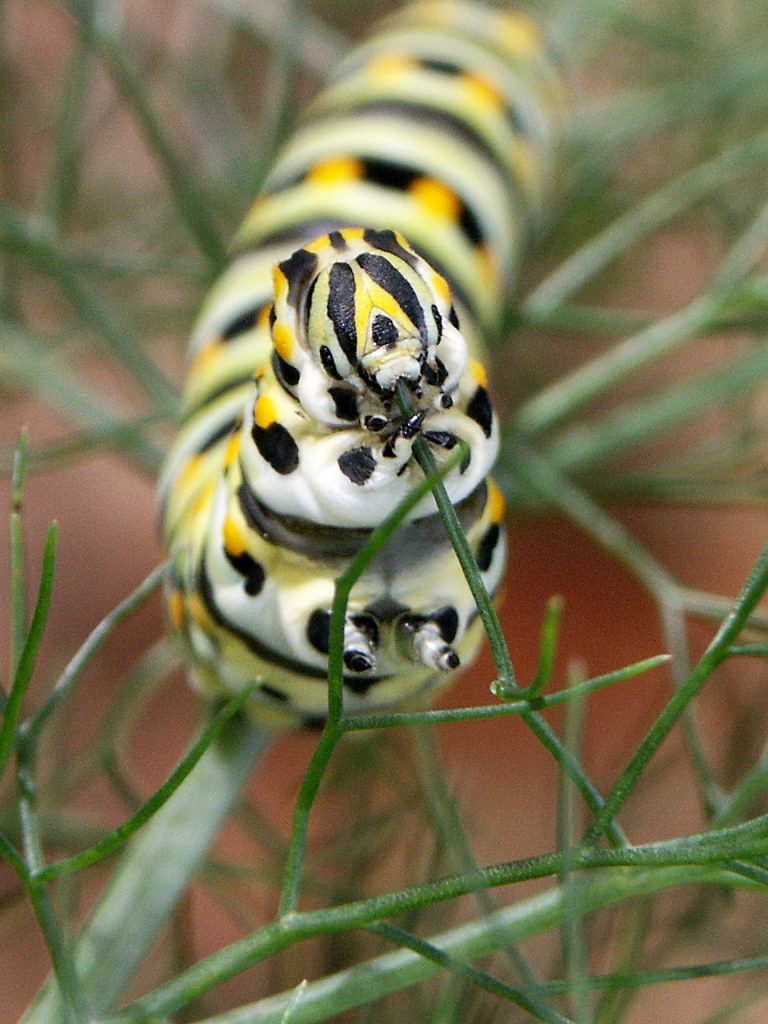
Butterflies require host plants, which serve as the sites where adults lay their eggs and as the primary food source for emerging caterpillars. Caterpillars feed on these plants until they develop into chrysalides. Some butterfly species are generalists and can utilize a wide variety of host plants, while others are highly specialized and depend on only one or a few species. For example, monarch caterpillars feed exclusively on milkweed, whereas painted lady caterpillars can consume hundreds of plant species, though they do exhibit preferences. In contrast, many moth caterpillars are less selective and can feed on a broad range of plants.
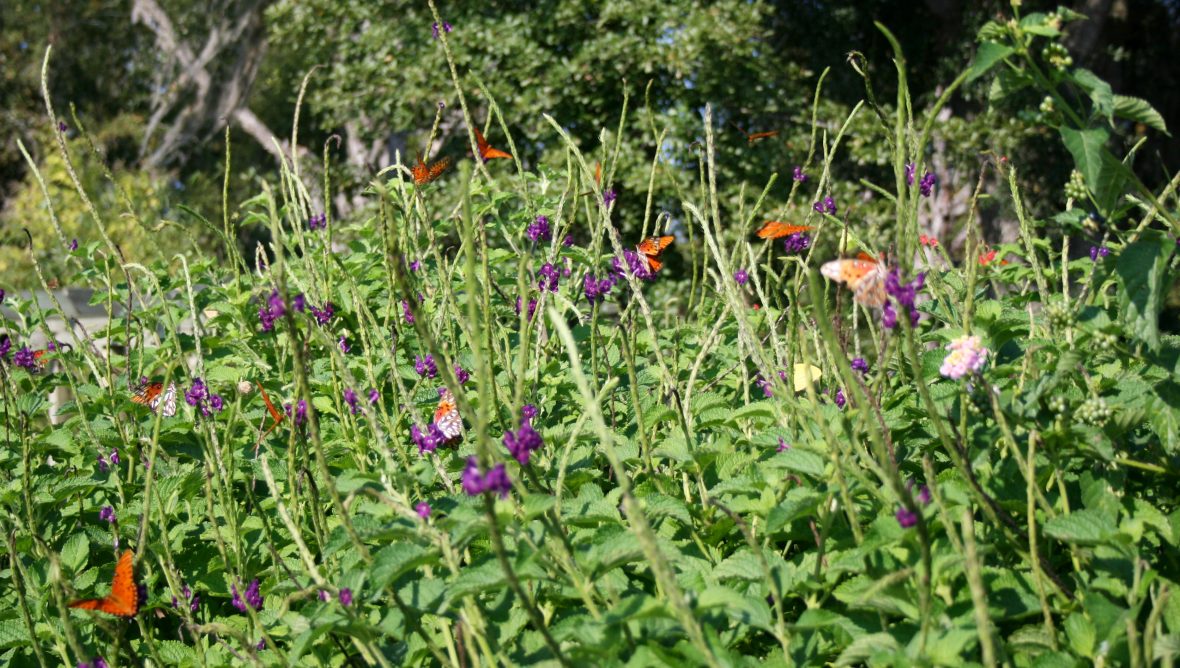
Adult butterflies instinctively identify suitable host plants. Some lay eggs directly on the plant, while others deposit them nearby. Certain species are highly selective, choosing specific parts of a plant for egg-laying. For instance, zebra longwing butterflies typically lay their eggs on shaded new growth. Gulf Fritillary butterflies, in contrast, lay eggs off the plant as often as they lay eggs on the plant.
When selecting host plants for a garden, the following should be considered:
- Are the butterfly species that the plants are intended to attract native to the area? For example, planting violets in Florida will not attract the Great Spangled Fritillary, as this species is not found in that state.
- Does the mature size of the host plant fit within the available space? A hackberry tree, while serving as a host for several butterfly species—including the Question Mark, Mourning Cloak, Hackberry Emperor, Tawny Emperor, and American Snout (as well as many moths) can grow to approximately 50 feet in height and width.
- Does the garden provide the appropriate light conditions? While many host plants require full sun, some thrive in partial or full shade.
- Are the plants aggressive? Some native host plants are so aggressive that they can take over a garden. Non-native plants can become invasive and native plants can become aggressive. Both can take over a garden, robbing other plants of nutrients and creating a messy area that requires constant care, removing a good deal of the plant every year.
NECTAR PLANTS
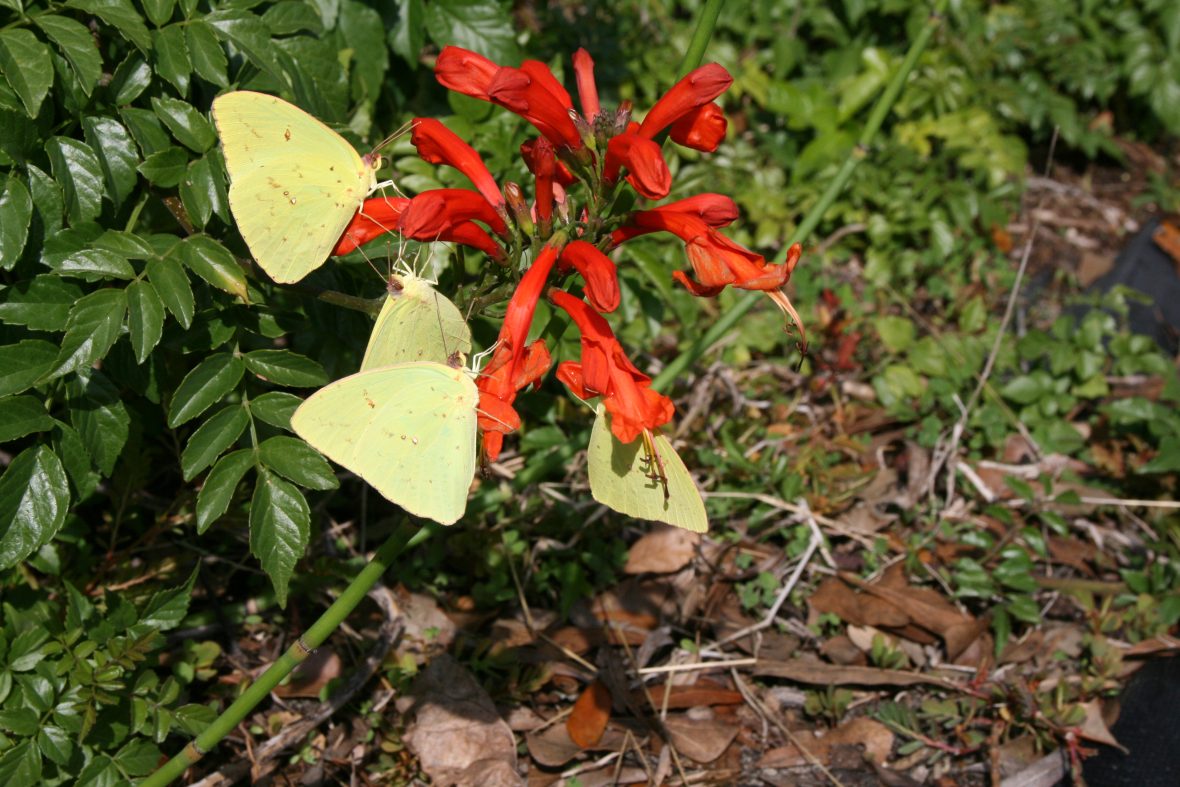
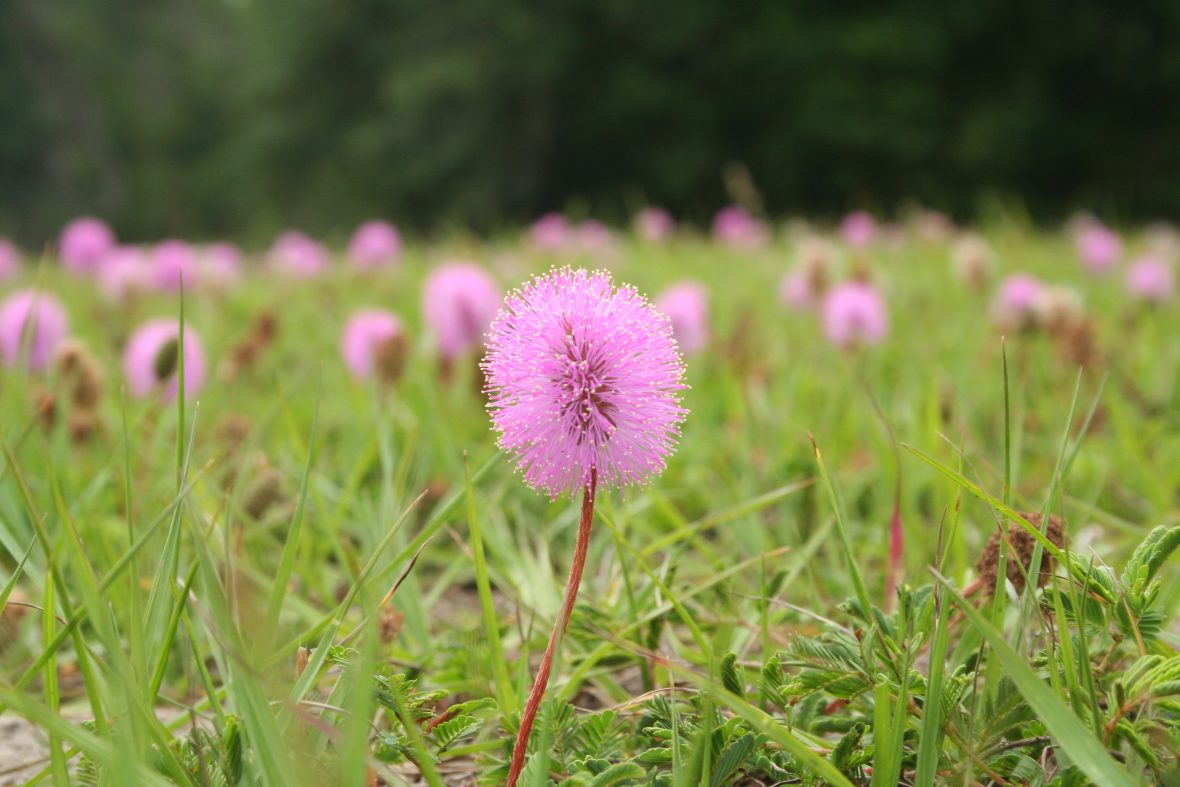
In addition to host plants, adult butterflies depend on nectar plants. These flowering plants produce nectar, which serves as a primary food source for adult butterflies and moths.
Not all flowering plants produce accessible nectar. Some species are highly attractive to a wide variety of butterflies and moths, while others produce nectar that is accessible only to species with long proboscises (the tubular “tongue” used to draw in liquid, which is absorbed into the digestive system).
When choosing nectar plants, consider the following:
- Does the mature size of the plant suit the available space? Plants grow. They need space to grow into their mature size, although some trees and shrubs can be topped or trimmed shorter every fall.
- Will the plant tolerate the local climate, including both winter and summer conditions? For example, some milkweed species survive only in above-freezing temperatures, while others require periods of ground freezing to persist long term.
- If the plant has thorns, can it be safely placed to avoid injury? For instance, a Hercules’ club tree has large thorns that can pose a hazard that may require a trip to the doctor.
- Does the garden provide the appropriate amount of sunlight? While some nectar plants require full sun, others can tolerate partial shade; however, most require at least six hours of sunlight per day.
- In regions with short growing seasons, will the plant bloom during the period when butterflies are active? Continuous-blooming species may be preferable in such climates.
ADDITIONAL CONSIDERATIONS
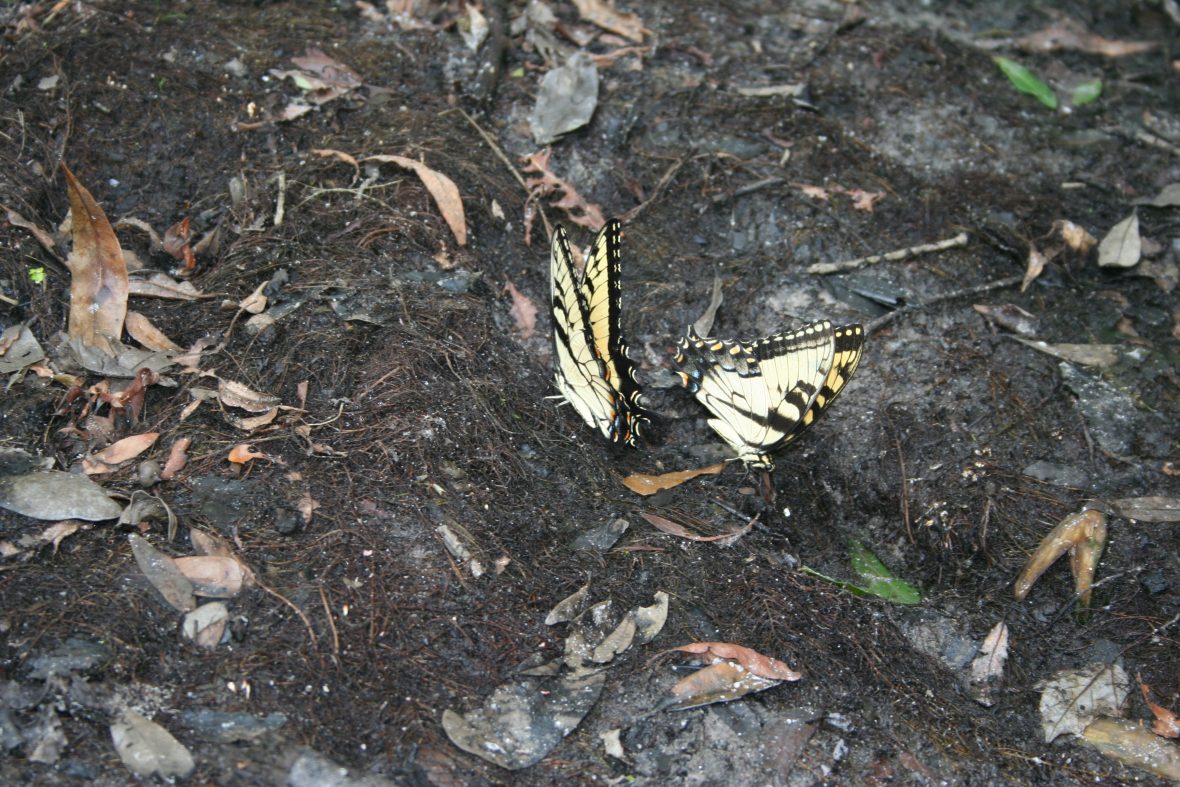
Some butterfly species utilize alternative food sources, such as tree sap or rotting fruit, rather than relying solely on flower nectar. Male butterflies are often observed obtaining minerals and salts from moist soil or decaying organic matter—nutrients essential to their survival. Creating a damp area of soil, occasionally enriched with compost, can help attract male butterflies.
In flat landscapes, incorporating taller shrubs or small trees can provide valuable wind protection and shelter. These plants may serve as host or nectar sources or simply offer protective habitat.
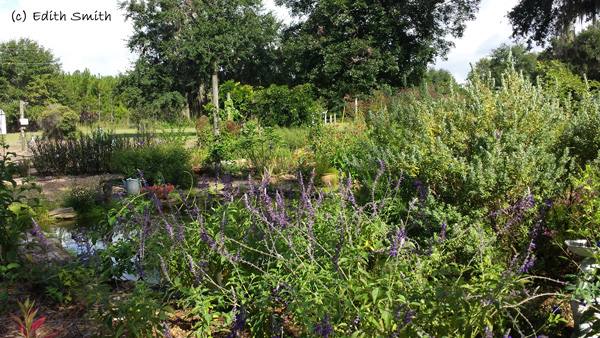
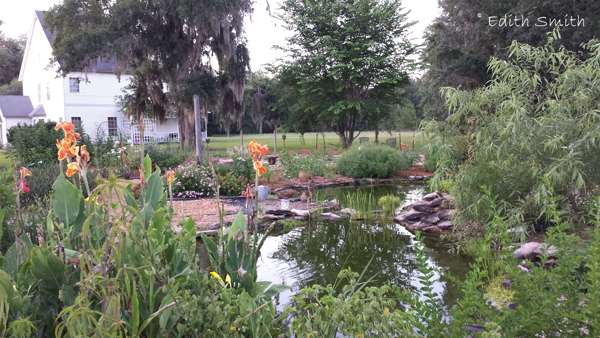
The most effective butterfly gardens are those that closely mimic natural ecosystems. An entire yard can function as a butterfly-friendly space. Not all plants need to serve as host or nectar sources. In nature, butterfly plants make up only a portion of the overall plant community.
Plant host and nectar plants in separate clumps. When all the milkweed is planted together, it provides a buffet when a predator finds it. If there are several areas planted with milkweed, it provides protection for some of the caterpillars.
PLANNING A BUTTERFLY GARDEN
An important step when planning a butterfly garden is to map sun and shade patterns throughout the growing season, from spring through fall. This will guide as choices are made for both purchasing and planting plants.
Most butterfly plants require well-drained soil. However, if certain areas of the yard remain consistently wet or soggy, selecting plants that thrive in those conditions can help attract species adapted to such environments. For example, willow, Joe-Pye weed, and aquatic milkweed are well-suited for wetter areas.
Including a bench or seating area near both host and nectar plants allows for observation and enjoyment of visiting butterflies and munching caterpillars.
Finally, pathways should be wide enough to accommodate maintenance equipment, such as a garden wagon, as butterfly gardens require regular care similar to any other cultivated landscape.